Training and communication in Sioen’s factories come with daily challenges.
When facing these communication challenges, companies usually have three options:
1. Structure the environment around the tool.
For example, training only in quiet rooms. But while possible, this adds complexity and doesn’t fit into every production routine.
2. Enhance the existing tool.
Some create extra paper versions for every language or add layers of explanation to make up for missing visuals. Yet, this leads to version chaos, higher maintenance, and confusion about which document is current.
3. Adopt a tool that fits the environment.
One that works with the conditions instead of against them. Simple, visual, multilingual, and accessible anytime.
Sioen chose to combine the first and the third approach.
Firstly, they’ve built the Weaving Academy, enabling their employees to train in a quiet learning environment.
Next, they built a central platform where everyone can create and read manuals with manual.to, both within the Weaving Academy and on the factory floor.
Rolling out a new way of working requires structure and momentum. Sioen planned for both.
1. A focused start
A few individuals began creating manuals, learning how to use the platform, and testing its fit for daily work. Starting with only a few users made it easier to support and refine the process while building early confidence among the team.
2. Expanding to the full team
Once the first users felt comfortable, the project expanded to the full team. Those early adopters became internal ambassadors, showing colleagues how to document and share their own knowledge. Because the tool required no technical background, the adoption spread quickly and naturally.
Employees describe the manuals as easy to make and easy to read, with video instructions that are clear and accessible at any time.
3. Taking on best practices from their suppliers
Lastly, Sioen lets even their manufacturers create manuals on their new, highly specialized machines. This saves training time for everyone and still provides correct and detailed information, remaining available whenever needed.
What began as a focused pilot soon became a daily habit across the factory. A simple, scalable change that now supports every level of Sioen’s training.
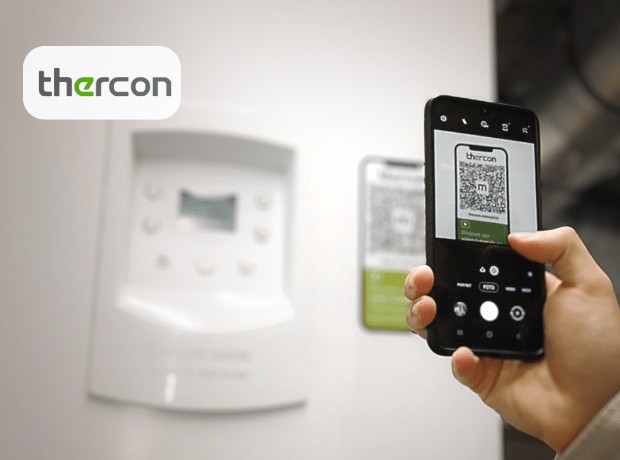
Record a 60-second video on your phone. Your team scans a QR code and learns the procedure instantly. Update in minutes, not weeks.
See it in action
Schedule a demo with our Manual.to specialists