Why did Culobel expand manual.to from quality into production — and what measurable results drove that decision?
Scaling knowledge in a multilingual manufacturing world is tough. With a diverse workforce, the loss of core shop-floor knowledge, and rising pressure to train faster with fewer people, Culobel needed a way to reduce errors, keep operators engaged, and make everyone work more independently.
Here’s how Culobel addressed labour shortages in a multilingual environment, and the outcomes that followed.
There is work for 10.
If completing the work properly requires ten people, each complements the others with their own area of expertise, supporting the team as a whole.
Available are 6.
The labour market is tight, which means the team is constantly overloaded. They try to manage their own tasks while helping out others with seemingly simple – but often highly specific – cases. This interrupts already strained workflows even more
How can a company make up for missing workforce?
To tackle the labour shortage, Culobel wanted operators to work more independently. That way, they would need less support from colleagues and avoid constant workflow interruptions. To achieve this, even specialist knowledge had to be accessible to everyone at any time. Two enablers made it possible:
A centralized knowledge base
Comprehensive documentation allows all operators to become specialists. The centralized base ensures consistent, up to date instructions across all sites.
Automatic translation
Operators access instructions in their native language, reducing unclarity or misunderstandings.
Manuals are easy to create and easy to use, and that’s why the system is actually embraced on the shop floor.
By rethinking how knowledge is distributed and accessed, Culobel achieved more with fewer people. Clear instructions also accelerated onboarding and training, enabling a much steeper learning curve.
After the first success in the quality department, Culobel has decided to strengthen the effects in three ways:
This way, they not only expand the impact, but also make it more intuitive and efficient.
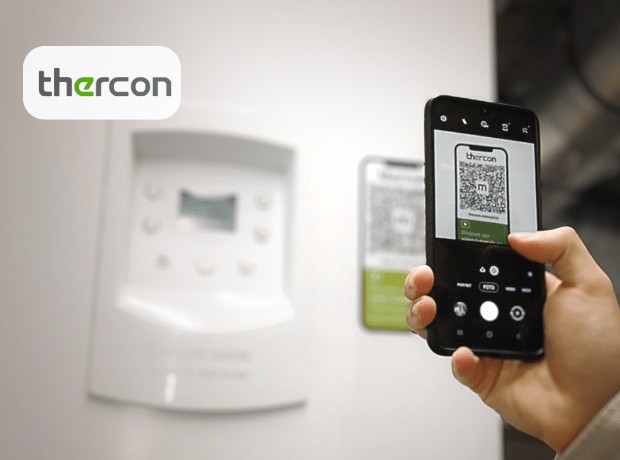
Record a 60-second video on your phone. Your team scans a QR code and learns the procedure instantly. Update in minutes, not weeks.
See it in action
Schedule a demo with our Manual.to specialists